
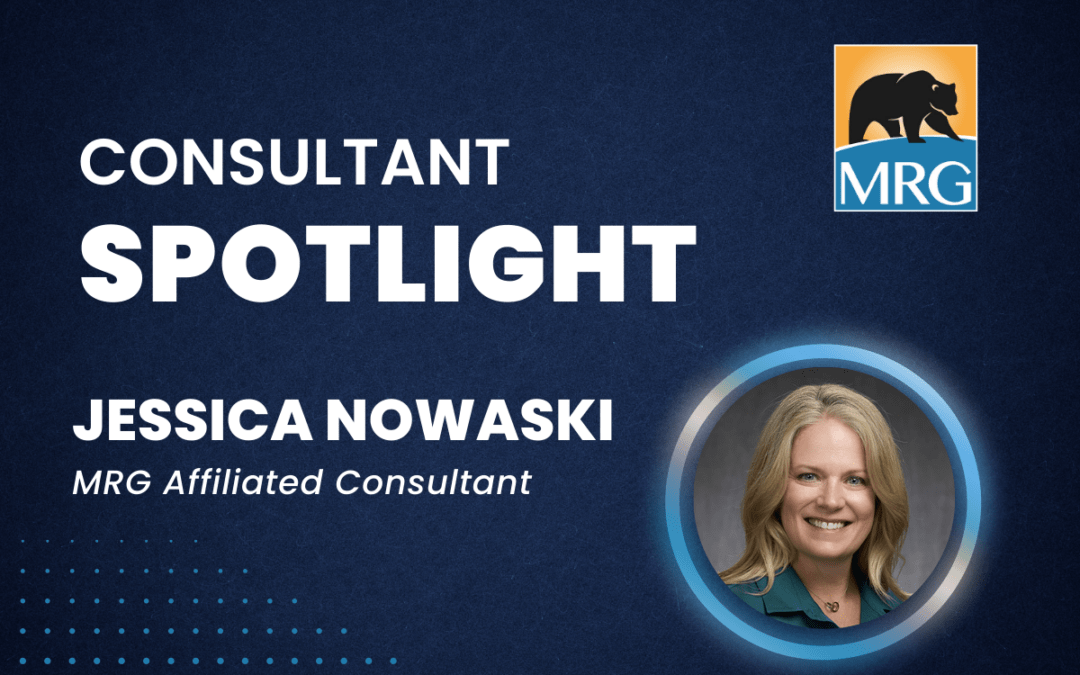
Jessica Nowaski is a seasoned law enforcement and coaching professional with expertise in leadership development, team building, facilitation, and public speaking. During her distinguished 26-year career with the Mountain View Police Department, she led all facets of operations and administrative functions including operational command, incident management, and personnel development, ultimately serving as the Deputy Police Chief. She has served on the Women Leaders in Law Enforcement Symposium planning committee and presented at the California Police Chiefs Association Training Symposium, the International Leadership Association, and the Columbia University Coaching Conference.
What should your clients know about you from the start? What is your “superpower”?
I have spent many years honing the ability to be really present with people. I am non-judgmental, with the true intention of meeting people where they are, and an appreciation that we’re all going through something. Life is hard in different seasons and phases, and people need people.
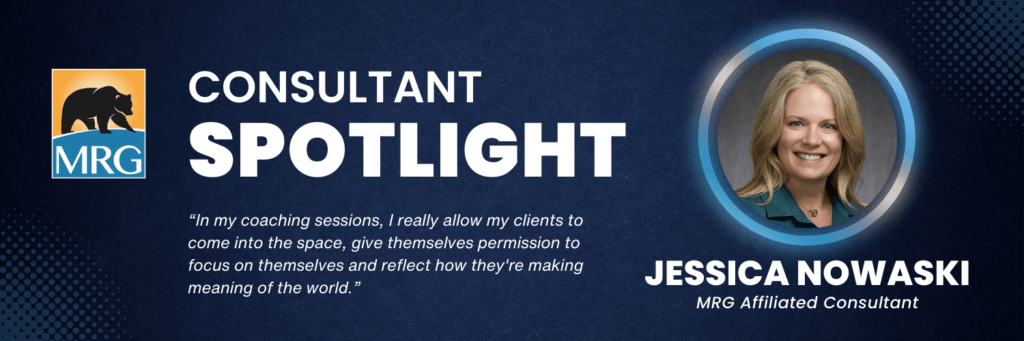
The world is so busy, and things are always coming at us at a rapid fire. In my coaching sessions, I really allow my clients to come into the space, give themselves permission to focus on themselves and reflect how they’re making meaning of the world because we just don’t have time in our regular work day to do that reflection.
It is so important just to encourage people, in a very physically-felt sense, to slow down. Giving people permission to really reflect on what is going on in their life, whether it’s a personal challenge or a professional challenge is critical reflection.
Do you have a motto? Is there a phrase that people associate with you?
Two phrases come to mind immediately. These phrases were very important to me when I was working as a captain and then deputy chief in the Police Department. I think it’s more important to get it right than it is to be right. Sometimes you need to put ego aside and look for solutions.
And the other one that I use a lot is to listen with the intention to understand. The theme is slowing down, being present, and focusing on the situation with clear eyes.
What other career paths have called to you?
I was close to going into real estate! Between high school and college, I was set to have an interview with a real estate firm. At the time, I thought that sounded exciting. I thought it would be good work, and I’m good with people. But the firm hired the very first person they interviewed right there on the spot, so I didn’t get the chance to interview.
I do seriously feel as though my career has been a calling. Quite frankly, when something happens that’s unjust, or when people are picking on the vulnerable, I won’t sugarcoat it—it ticks me off. I can trace that trait back to my early years in elementary school. I was always the one running around confronting bullies. That’s a value I hold very dearly, and it’s part of what called me to law enforcement.
But looking back, I don’t regret my choices or my career. I’m very grateful to be where I am.
What inspires you about working in the public sector?
In the public sector, there’s such a responsibility to watch out for the little guy. I grew up in a lower socioeconomic area in the East Bay of the San Francisco Bay Area. We lived paycheck to paycheck, and based on my experiences and my upbringing, I wanted to be part of a system that stood for justice.
I’ve said for a long time that, when it relates to leadership and different things in law enforcement, there’s a training gap. Law enforcement departments are very good at technical, tactical training—we get very good at those things. But we’re about 20 years behind the corporate world when it comes to innovating around people development.
My inspiration came when I looked at leadership development up and down the chain of command. That’s how I fell into coaching. My master’s program concentration was Facilitation and Coaching, so I was able to weave and integrate that leadership development within the Police Department.
Leadership development should be the operating system that runs in the background at all times—especially in law enforcement, when the stakes are high. If you’re developing your people to know themselves, and know how to handle themselves better under stress, then they’re going to be more reliable in situations in the field.
What made you want to affiliate with MRG?
First of all, MRG came highly recommended by a dear friend of mine, Alana Forrest, who is also a consultant with MRG. They have such a great reputation in the space.
Second, MRG is an all-female owned business. That’s pretty cool.
And finally, the people that are with MRG are just absolutely phenomenal. I’m inspired by them—they walk their talk. I’m learning so much being a consultant with the team. I love the innovation, and the progress, and all that they’re doing. So I’m pretty darn happy to be here.
Does your public sector organization need help overcoming organizational challenges? Reach out to MRG at info@solutions-mrg.com to start the conversation and connect with world-class consultants.